


1
Assess
We identify movement imbalances, muscle tightness, and patterns contributing to your lower back discomfort.
If your lower back is constantly tight, stiff, or painful, the issue may not be your back at all. Tight hips, weak core support, and poor movement patterns can all force your lower back to work harder than it should.
If any of these feel familiar, your lower back may be overworking because something else is off.

Stretching can feel good in the moment, but real relief usually comes from understanding what is causing the lower back to overwork in the first place. That means looking at movement, stability, and strength together.
When other parts of the body are not doing their job well, the lower back often steps in to compensate. That can lead to recurring tightness, stiffness, and discomfort that keeps coming back no matter how often you stretch or rest.
This approach focuses on helping your body move better, support better, and feel stronger over time.
We identify movement imbalances, muscle tightness, and patterns contributing to your lower back discomfort.
We target tension in the areas that may be pulling your body out of alignment.
We improve support through the core, glutes, and movement control so your back is not doing all the work.
We help you build stronger movement habits that support long-term relief and better performance.
This is designed for everyday people who want to move with less pain and more confidence.
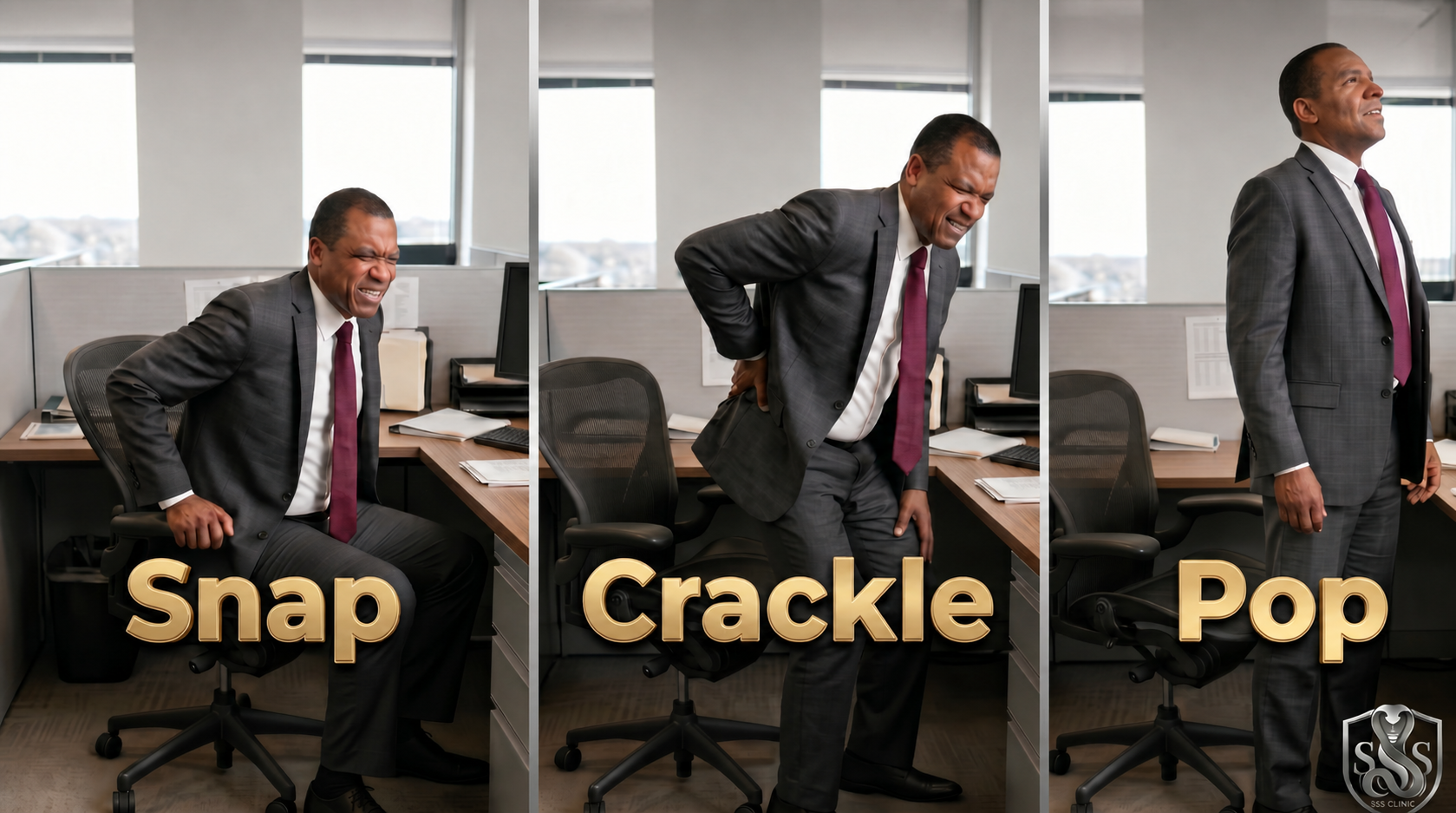
If you sit for long periods and your lower back feels stiff or tight, this is for you.
If you are constantly lifting, bending, carrying, and moving, this can help you feel more supported.
If you want to stay active but want to avoid setbacks keeping you on the sideline, this is for you.
If you work out better movement, better results, and better performance, this process can help.
Book your assessment and take the first step toward understanding what your body really needs. Fill out the form and someone will follow up with you about your session.
People are moving better, feeling stronger, and getting back to life with less pain.
No. This process is designed to meet you where you are and help you improve from there.
No. It is helpful for everyday adults, desk workers, parents, and active individuals.
That is exactly why an assessment matters. Long-term issues often need a more intentional approach.
Complete the form and you will be contacted about next steps for scheduling.